
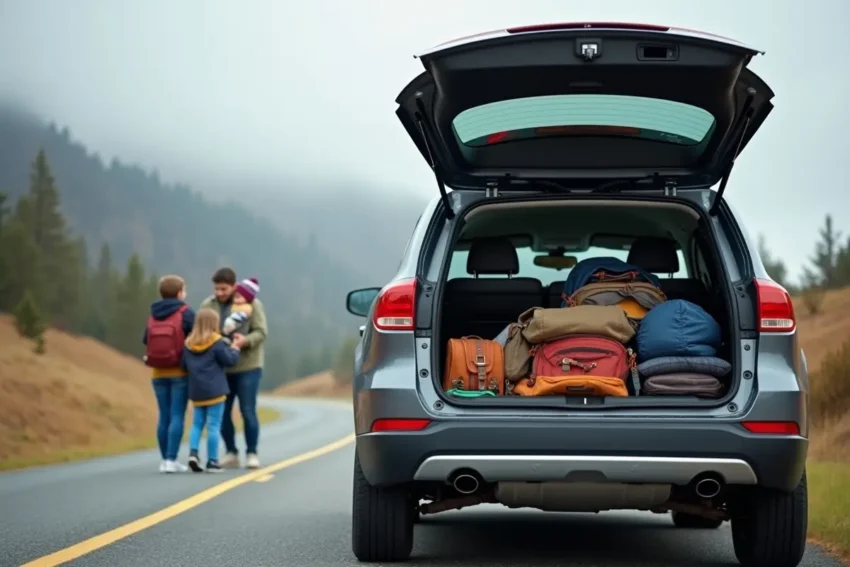
Family road trips can create lasting memories, but the preparation begins well before everyone climbs into the vehicle. A few simple checks can reduce the chance of unexpected delays, help protect passengers, and make the first miles feel more relaxed. For practical vehicle-preparation support before a long drive, learn more about maintaining a road-ready vehicle.
Long highway stretches, summer heat, heavy luggage, stop-and-go traffic, and extended driving hours all place added demands on a car, truck, or SUV. Even if the vehicle recently had an oil change or routine service, a final walk-around inspection is worth the time.
Why a Pre-Trip Vehicle Check Matters
Many travel problems begin with warning signs that are easy to miss during a normal commute. A tire may be slowly losing air, a battery may be nearing the end of its life, or a small fluid leak may become more serious after hours of driving. Reviewing pre-trip safety guidance can help families focus on essentials such as tires, fluids, lights, recalls, and emergency equipment before leaving home.
A pre-trip check does not need to be complicated. Start with what can be seen, heard, and tested safely at home. If something looks unusual or feels different behind the wheel, it is usually better to investigate before loading the vehicle and beginning the trip.
Start With the Tires
Tires are among the most important safety items to inspect because they affect steering, braking, fuel use, and overall stability. Check pressure when tires are cold, ideally after the vehicle has been parked for several hours. Use the recommended pressure shown on the driver-side door placard or in the owner’s manual, rather than the number molded onto the tire sidewall. That sidewall number generally indicates the tire’s maximum pressure, not the vehicle manufacturer’s recommended operating pressure.
Look closely for uneven tread wear, cracks, cuts, bulges, exposed cords, or objects such as nails and screws. Check the spare tire as well as the jack, lug wrench, and any wheel-lock key. Tires with repeated air loss, serious damage, or visible sidewall bulges should be inspected by a tire professional before the trip.
Inspect Brakes, Suspension, and Fluids
Pay attention to how the brake pedal feels during normal driving. Squealing, grinding, vibration, pulling to one side, or a soft pedal can indicate a brake issue that warrants prompt attention. A full vehicle also places additional load on the suspension, so clunking sounds, excessive bouncing, or unstable handling should not be ignored.
Under the hood, check the engine oil according to the vehicle’s specific instructions. Inspect coolant only after the engine has cooled completely, and review brake fluid, washer fluid, transmission fluid, and power-steering fluid where applicable. Fresh puddles or wet spots beneath the vehicle can indicate a leak. Low fluid intake is not always normal, especially if the level keeps dropping between checks.
Electric vehicle owners should follow the maintenance schedule for their model, including tire condition, brake operation, coolant systems, where applicable, and battery charge planning. Before heading into remote areas, confirm that planned charging stops are compatible with the vehicle and that needed charging adapters are packed.
Test the Battery, Belts, Hoses, Lights, and Wipers
Slow starts, dim headlights, or recurring electrical issues may signal a weak battery. Look for corrosion around accessible battery terminals, but use professional help if the battery is difficult to reach or if testing is needed. Visible belts and hoses should also be checked for cracks, fraying, swelling, cuts, or loose connections.
Test headlights, brake lights, turn signals, hazard flashers, reverse lights, and license-plate lights. Replace failed bulbs and address cloudy or damaged light housings when visibility is reduced. Inspect wiper blades for splitting, streaking, or poor contact with the windshield, then fill the washer-fluid reservoir. Clear glass and reliable lighting help the driver see hazards and help other road users see the vehicle.
Check Recalls, Warnings, and Passenger Safety
Review the dashboard before departure. A warning light should not be dismissed simply because the vehicle still seems to drive normally. A flashing check-engine light, overheating warning, brake warning, or battery warning may require immediate attention. Use the vehicle identification number to check for open safety recalls, since eligible recall repairs are generally completed through an approved manufacturer repair network at no cost.
Every passenger should have an age- and size-appropriate restraint. Confirm that child seats are securely installed according to both the child seat and vehicle instructions, and keep children in the rear seat when appropriate for their age and size. Heavy luggage should sit low and close to the center of the cargo area. Secure coolers, bags, sports gear, and other loose items so they do not shift or pose a danger during sudden braking.
Build an Emergency Kit and Plan the Drive
Even a well-maintained vehicle can experience a flat tire, dead battery, or weather-related delay. Pack a phone charger, flashlight, first-aid kit, reflective warning items, gloves, water, snacks, medicines, blankets, a tire-pressure gauge, and basic tools. A practical road-trip packing checklist can also help families remember comfort items that make long hours in the vehicle easier.
Before leaving, review weather, traffic, construction zones, road closures, fuel stops, and charging locations. Download maps or save key directions in case cellular service is limited. Plan regular breaks for meals, restrooms, stretching, hydration, and driver changes. Sharing the route and estimated arrival time with someone outside the trip adds another layer of preparedness.
A Simple Night-Before Checklist
- Check tire pressure, tread condition, and the spare tire.
- Look beneath the vehicle and under the hood for signs of leaks or damage.
- Test lights, wipers, climate controls, and dashboard warning indicators.
- Confirm the fuel level or battery charge for the first portion of the route.
- Secure child seats, seat belts, luggage, and loose cargo.
- Pack emergency supplies, food, water, medicine, and chargers.
- Review the route, weather forecast, and planned rest stops.
When to Delay the Trip
Some conditions call for a delay rather than a risky departure. Do not ignore severe tire damage, a strong fuel smell, smoke, overheating, loss of braking, major fluid leaks, or a flashing warning light. A short delay for diagnosis and repair is far safer than dealing with a breakdown far from home. When a concern is beyond a basic visual check, contact a qualified technician and follow the vehicle manufacturer’s maintenance recommendations.
Conclusion
A family road trip starts with a vehicle that is ready for the journey. Checking tires, brakes, fluids, lights, safety equipment, and warning signs can help prevent avoidable problems. Pairing vehicle preparation with route planning, secure luggage, and regular rest stops helps make long-distance travel safer, smoother, and more enjoyable for everyone.