
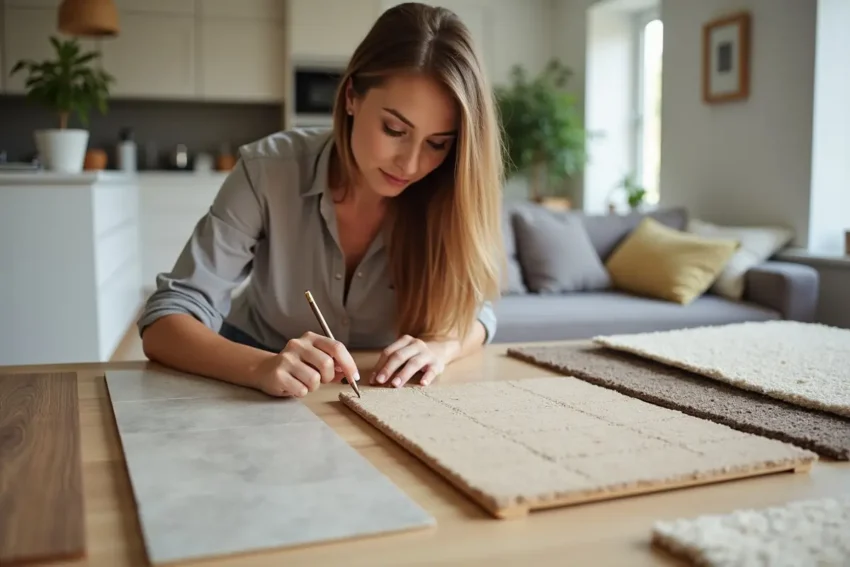
Flooring has to do far more than look good in an empty room. It deals with muddy shoes, dropped food, moving furniture, water, pets, children, and thousands of footsteps, often for years at a time.
That is why choosing one flooring type for an entire home is not always the most practical approach. Different rooms place very different demands on the surface beneath your feet.
Thinking about how each space is actually used can lead to better decisions than choosing flooring based on appearance alone.
Hallway: Prepare for Everything Coming Through the Door
The hallway is where the outside world meets your home. Rainwater, grit, mud and small stones can all be carried through the front door, making durability a priority.
Look for flooring that is easy to clean and capable of handling frequent foot traffic. Colour and pattern deserve consideration too. Very pale, completely uniform surfaces can make every footprint noticeable, while more varied finishes may be more forgiving.
The hallway also sets the visual tone for the rooms beyond it. If different flooring will be used elsewhere, consider how the materials will meet at doorways so the transitions feel deliberate rather than pieced together.
Living Room: Balance Comfort With Longevity
Living rooms need to feel comfortable while often handling some of the highest levels of everyday activity in the home.
Think about how the room functions in your household. A formal sitting room used occasionally has very different requirements from a family living room where children play, pets sleep, and furniture is regularly moved around.
Wood, engineered surfaces and other hard flooring options can provide a strong visual foundation, while rugs can introduce softness where it is wanted. Carpet offers greater softness across the whole room but may require more consideration where spills and muddy paws are regular occurrences.
Kitchen: Think Beyond the Occasional Spill
Cooking oil, food, crumbs and cleaning products can all reach the floor in the kitchen, while dropped pans and heavy appliances introduce another kind of wear. Because people often stand in kitchens for extended periods, comfort underfoot can also influence the decision.
Maintenance should be high on the list of priorities. A surface may look impressive in photographs, but consider how easily it can be cleaned and whether it requires specialist maintenance.
The floor also needs to work visually with cabinets, worktops and splashbacks. With several permanent surfaces competing for attention, flooring can often work best when it brings those elements together.
Bathroom: Moisture Changes the Conversation
Bathrooms require particularly careful flooring decisions because repeated exposure to water and humidity changes what a material needs to cope with.
The practical requirements do not mean the room has to feel clinical. Homeowners interested in introducing the warmth and character associated with timber can explore flooring specifically intended for bathroom environments.
For example, those considering wood flooring Ampthill can look at engineered wood options designed with the demands of bathrooms in mind, rather than assuming that every wooden floor will perform equally well in a moisture-prone room.
Installation is important here. Attention to edges, joins and the areas surrounding baths, showers and basins can be just as important as the surface selected.
Bedroom: Put Comfort Higher Up the List
Bedrooms usually experience less demanding foot traffic than other areas of the home, giving homeowners greater freedom to prioritise comfort.
Carpet remains appealing because of its warmth and softness, particularly first thing in the morning. Hard flooring can create a cleaner, more streamlined appearance and can be softened with bedside or area rugs.
Think about acoustics as well. Flooring influences how footsteps and movement travel through a home, which can become particularly noticeable in upstairs bedrooms.
Choosing for the Home You Actually Live In
There is no universally perfect flooring material because there is no universally typical household.
A busy family home asks something very different of its floors than a quiet property occupied by one or two people. Even within the same house, a bathroom and bedroom have little in common when it comes to moisture, traffic and cleaning.
Before choosing a surface, imagine the room on its busiest, messiest day. Think about what gets dropped, how often it needs cleaning, who uses it and what the flooring will need to tolerate.