
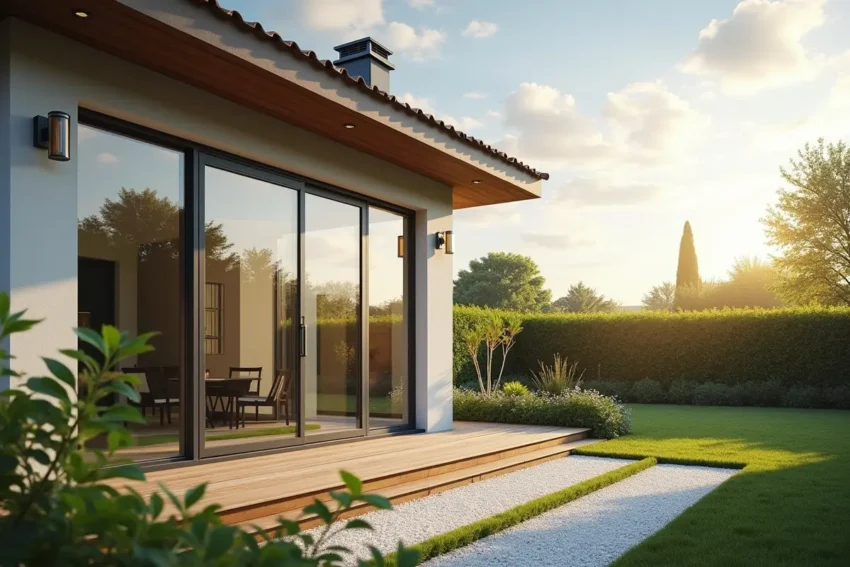
Upgrading your windows to more energy-efficient models is one of the most effective ways to reduce energy costs and improve your home’s comfort year-round. Energy-efficient window upgrades offer a wide range of long-lasting benefits that go beyond just savings on your utility bill.
Whether renovating an older property or planning a new build, understanding modern window technologies helps you make smarter investment choices. Choosing the right features and installation will keep your home’s interior comfortable year-round and reduce your environmental footprint. New energy-efficient windows are built to higher standards than traditional single-pane options, using advanced materials and design to insulate effectively.
This begins with the right glass type, gas fills, and frame materials, culminating in professional installation. Before buying, understand how these windows work and what to look for in ratings, certifications, and climate-specific options. Trusted sources like the U.S. Department of Energy provide guidance to maximize energy savings.
Understanding Energy-Efficient Windows
Energy-efficient windows are designed to minimize heat transfer, enhancing indoor comfort by keeping homes warmer in winter and cooler in summer. Key features include multiple panes, such as double or triple panes, which create air barriers and significantly reduce heat transfer compared to single-pane options. Low-E coatings, which are ultra-thin metallic layers on the glass, reflect infrared heat to retain warmth inside during colder months and block external heat in the summer.
Gas fills, such as argon or krypton, are inserted between panes to enhance insulation by using denser gases than air. Additionally, insulated frames made from materials such as vinyl, fiberglass, or wood composites are less conductive than aluminum, further reducing heat loss.
Evaluating Energy Performance Ratings
Every window’s efficiency is quantified using standardized ratings, with essential energy performance metrics including the U-Factor and Solar Heat Gain Coefficient (SHGC). The U-Factor, which indicates the rate of heat transfer, should ideally be under 0.30 for a high insulating value.
On the other hand, the SHGC gauges solar radiation penetration; a lower SHGC is preferred in hotter climates to reduce indoor heat. Recommended products generally have certifications from the National Fenestration Rating Council (NFRC) and bear the ENERGY STAR® label, signifying compliance with stringent federal energy-efficiency standards.
Climate Considerations
Choosing windows that suit your local weather conditions maximizes your investment. In cold climates, opt for glazing and frame packages with very low U-Factors to minimize heat loss. Conversely, homes in warmer regions should prioritize windows with low SHGC values, which help reduce cooling costs by keeping excess solar heat outside.
Always reference reputable guidelines to match your window selection to your region. For tailored recommendations, explore the Department of Energy’s window energy-saving advice.
Installation and Maintenance
Even cutting-edge window technology can underperform if not installed correctly. Professional installation ensures that windows are sealed properly, preventing unwanted drafts or water infiltration. Make sure your installer follows the manufacturer’s directions closely to maintain warranty and performance guarantees.
Ongoing maintenance is equally important. Annually inspect seals, caulking, and weather-stripping for any gaps or wear. Prompt repair of minor issues prevents larger, more expensive problems in the future and ensures long-lasting performance.
Financial Incentives
Making the switch to energy-efficient windows is even more attractive when you factor in available financial incentives. The Inflation Reduction Act provides a federal tax credit of up to 30 percent (up to $600 per year) for qualifying window installations. This incentive is set to continue through 2032, giving homeowners ample time to plan upgrades.
Additional Benefits
Improved comfort in indoor environments is achieved through consistent temperatures, which help eliminate cold drafts and hot spots. Additionally, multi-pane designs combined with insulated frames reduce noise by muffling outdoor sounds, fostering a quieter atmosphere. Furthermore, the use of Low-E glass provides UV protection by blocking harmful ultraviolet rays, thereby helping to prevent fading of furnishings, flooring, and artwork.
Conclusion
Making a well-informed window selection involves understanding product features, comparing energy ratings, considering local climate, and securing quality installation. Taking advantage of available incentives makes these upgrades more affordable, while also contributing to lower energy bills and increased home resale values. Investing in energy-efficient windows is a step toward a more comfortable and eco-friendly home environment.