
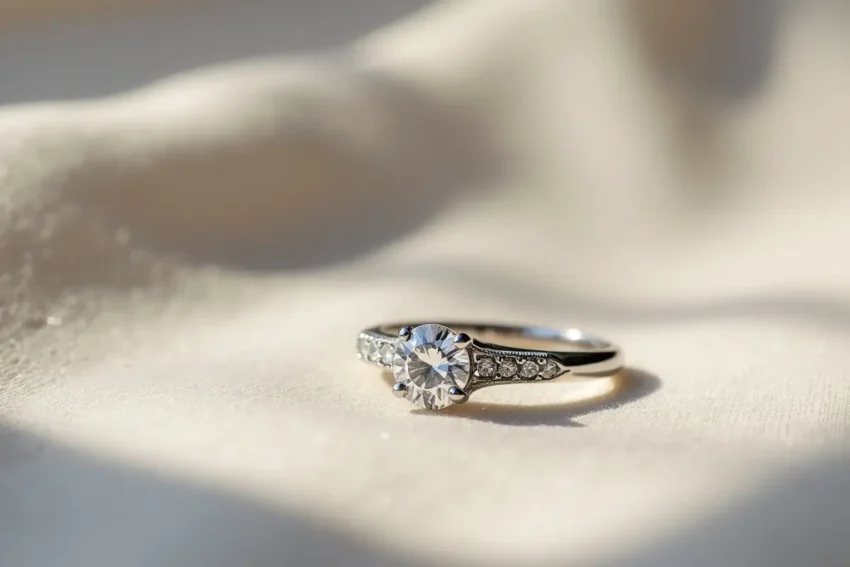
Choosing an engagement ring is about more than picking the largest stone within a budget. The right design should feel personal, be comfortable to wear, and remain practical for workdays, celebrations, travel, and everyday routines. For shoppers drawn to extra sparkle and a larger-looking center stone, browsing lab grown halo engagement rings can also help clarify whether a detailed, radiant style suits the wearer.
Trends can offer inspiration, but they should not make the final decision. A ring becomes meaningful because it reflects the person wearing it and the relationship it represents. Start with practical needs, then narrow the options by style, stone shape, setting, metal, and budget.
Start With Lifestyle
A ring should work in real life, not only in proposal photos. Someone who exercises often, works with their hands, cares for children, or uses tools may appreciate a lower-profile design with smooth edges and a protected stone. A bezel setting, for example, surrounds more of the stone with metal and can reduce exposed edges.
For a wearer with a less hands-on routine, a taller solitaire, pavé band, or delicate prong setting may be a comfortable choice. Think about how often the ring may need to be removed, whether it could catch on clothing, and how much routine maintenance the wearer will realistically want.
Read Their Personal Style
Existing jewelry is often the best guide. Look at the pieces they wear repeatedly. Do they favor yellow gold hoops, slim silver-toned bands, vintage details, colorful gemstones, or simple minimalist accessories? These patterns can reveal more than a single social media post or passing trend. If the proposal will be a surprise, discreetly ask close friends or family for input. If it does not need to be a surprise, shopping together can make sizing, comfort, and long-term satisfaction much easier.
Consider Hand Shape and Proportion
Hand shape can help narrow the choices, although it should never override personal preference. Elongated stones such as oval, pear, marquise, and emerald cuts can create a longer visual line on shorter fingers. Round, cushion, and square shapes may feel balanced on longer fingers, especially with a wider band.
- Smaller hands: Slim bands and moderate stone dimensions can feel proportionate.
- Wider fingers: Side stones, broader bands, or stones with more finger coverage can create balance.
- Prominent knuckles: A correctly sized band and a setting with visual weight can help reduce spinning.
Try multiple ring styles on the hand whenever possible. The same stone shape can look dramatically different depending on its setting, orientation, and band width.
Compare Ring Settings
Solitaire
A solitaire centers attention on one main stone. It is a versatile, classic option that can work with many wedding bands and personal styles.
Halo
A halo places smaller stones around the center stone, adding sparkle and creating a wider visual profile. It can suit someone who enjoys a more detailed or glamorous look.
Three-Stone
A three-stone ring pairs a center stone with two side stones. It offers symmetry, strong finger coverage, and room for meaningful design choices.
Bezel and Pavé
A bezel setting offers a smooth, protected profile, while pavé stones add shimmer along the band. Pavé designs are striking but may need closer inspection during cleaning and periodic maintenance.
Choose a Stone Shape
Stone shape affects sparkle, finger coverage, and overall mood. Round stones are versatile and traditional. Ovals and marquise cuts appear elongated. Emerald and Asscher cuts have clean, geometric step-cut facets, while radiant and princess cuts offer a more brilliant, lively appearance.
Fancy shapes can reveal color or inclusions differently from round stones, so compare clear images, videos, and grading documentation. For broader background on the tradition and evolution of the engagement ring, it can be useful to explore how modern preferences have expanded beyond one conventional style.
Select a Metal
Metal changes both appearance and upkeep. Yellow gold feels warm and classic, white gold has a bright neutral appearance, rose gold adds a soft pink tone, and platinum is naturally white, dense, and durable. Match the metal to the wearer’s usual jewelry when possible, but mixed-metal combinations can also look intentional and personal. Ask about metal purity, alloy composition, and care requirements. Higher-purity gold contains more gold but can be softer, while lower-purity gold alloys may offer additional strength for daily wear.
Set a Comfortable Budget
There is no required amount to spend on an engagement ring. A thoughtful budget should support savings, housing, debt repayment, wedding plans, and other shared goals. Decide on a maximum total before shopping, then account for the center stone, setting, taxes, resizing, insurance, and future repairs. Prioritize the details that matter most. One couple may value a larger stone, while another may prefer a stronger setting, a higher-quality cut, a vintage design, or a meaningful alternative gemstone.
Check Quality Before Buying
Before making a final decision, review the stone’s grading report, the issuing laboratory, visible inclusions, cut quality, and return policy. Inspect the setting for even prongs, secure side stones, and a smooth finish. Confirm the ring size and ask whether resizing is possible, particularly for detailed bands or eternity-style designs.
Plan for the Wedding Band
Consider the wedding band before finalizing the engagement ring. Some settings allow a straight band to sit flush, while others require a curved or custom-shaped band. Try sample pairings to check for gaps, rubbing, awkward height differences, and overall visual balance.
Final Thoughts
A single trend, price point, or stone size does not define the best engagement ring. It is a ring that feels comfortable, fits the wearer’s lifestyle, reflects personal style, and remains durable through everyday wear. Taking time to compare settings, metals, stone shapes, and long-term maintenance needs can help buyers make a more confident decision.
Ask practical questions, review warranties and care recommendations, and focus on lasting quality rather than short-lived trends. A thoughtful choice today can provide years of comfort, meaning, and enjoyment while creating a piece of jewelry that continues to reflect the couple’s priorities and story for many years to come.