
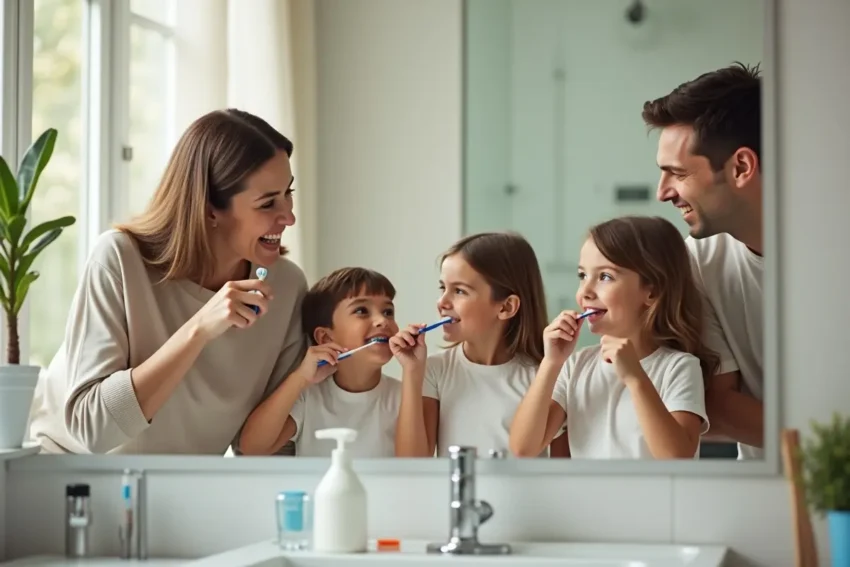
Maintaining good oral health is essential for every family member, and building smart dental habits early helps ensure a lifetime of healthy smiles. Whether you are caring for young children or looking to maintain oral health into retirement, forming reliable routines will benefit your whole family. Making dental care a priority is key, especially for families considering dental insurance for retired military, as preventive habits can maximize the value of your benefits.
With the right approach, even hectic family schedules can include time for oral hygiene. Early and consistent guidance encourages kids to view dental care as a normal part of each day and helps parents avoid future dental complications and expenses. Integrating dental routines into morning and evening schedules, such as brushing after breakfast and before bed, builds stability and makes these habits second nature. Making dental hygiene a regular family activity sends a positive message about its importance and encourages children to emulate the good practices of adults in the household.
In addition to at-home habits, regular dental visits and mindful food choices can make a lasting difference in your long-term oral health. Forming these habits together strengthens family bonds, reinforces positive routines, and sets up children for a lifetime of wellness.
Educating all family members about the benefits of these routines has powerful effects on their willingness to participate and stay motivated throughout the year. Healthy teeth are linked to overall well-being, making comprehensive dental care an investment in each family member’s future.
Establishing a Daily Oral Hygiene Routine
Daily maintenance is the cornerstone of oral health. Proper brushing and flossing prevent plaque buildup, cavities, and gum disease. The American Dental Association recommends brushing twice a day with a fluoride toothpaste for at least two minutes and cleaning between your teeth once a day, usually with floss.
- Brush twice daily with fluoride toothpaste.
- Make flossing or using interdental cleaners a routine habit.
- Replace toothbrushes every three to four months or if the bristles are worn.
When children are young, supervise brushing to ensure the right technique. Consider brushing together as a family to model correct habits and encourage participation. Setting a good example by following your own dental care routine is the best way to inspire younger family members to do the same and create a supportive environment for everyone.
Importance of Regular Dental Checkups
Scheduling routine dental checkups helps detect concerns early and lays the foundation for preventive care. The standard recommendation for healthy individuals is at least 2 visits per year for cleaning and a professional examination. These visits allow dental professionals to remove tartar, spot early signs of decay, and provide fluoride treatments or sealants when necessary.
- Get dentist recommendations specific to your family’s needs and ages.
- Book visits during school breaks or less busy periods to minimize conflicts.
Regular checkups are especially important for children, as dentists can monitor the development of their teeth and offer customized guidance as they grow.
Healthy Dietary Choices for Oral Health
Diet greatly influences dental health, and making wise food choices lowers the risk of decay. Limiting sweets and acidic snacks helps protect enamel. Encourage kids to reach for fruits, vegetables, dairy products, and proteins that deliver vitamins and minerals while fortifying teeth and gums. Water is always the healthiest drink choice — it washes away particles and is free of sugar and acids. Encouraging regular mealtimes and minimizing sugary snacks between meals can keep teeth healthier.
Educating Children About Dental Care
Empowering children with knowledge about dental health creates responsible habits into adulthood. Show them the proper brushing and flossing techniques and discuss how oral health impacts their overall well-being. Using engaging resources like videos and storybooks can simplify learning and increase engagement. Involving kids in daily routines gives them a sense of ownership and pride in their oral hygiene efforts.
Making Dental Care Fun for Kids
Introducing creativity can transform dental care from a chore into a positive experience. Let children pick their own toothbrushes and favorite toothpaste flavors. Try using timers or musical apps to make brushing time playful and effective, and reward consistent habits with small incentives or recognition.
- Allow kids to choose colorful brushes and fun paste flavors.
- Use entertaining countdowns to reach the two-minute brushing goal.
- Establish sticker charts or other reward systems for daily routines.
Parents can further engage their kids in oral health by turning brushing and flossing into a shared activity, giving plenty of encouragement along the way. Creating positive associations with dental care early on builds an essential foundation for cooperation and confidence during future dentist visits.
Addressing Common Dental Issues in Children
Many families encounter concerns such as cavities, sensitive teeth, or early gum issues in their children. Maintaining daily oral care and timely dental appointments often prevents these concerns. If symptoms like pain or discoloration appear, seek prompt advice from your dentist to support proactive care and avoid complications.
Protecting Teeth During Sports and Physical Activities
Active children are at higher risk of dental injuries and should wear mouthguards during sports to prevent chipped or broken teeth. Nightguards are also valuable for those who grind or clench their teeth while sleeping. Ask your dental provider about the best custom-fit, affordable options to protect your child’s teeth during intense activities.
Conclusion
Building and maintaining smart dental habits helps families create a culture of health, confidence, and wellness. With daily routines, regular care, healthy eating, and fun habits, parents and kids alike can look forward to a future of strong smiles and exceptional well-being. Committing to these strategies encourages positive behaviors, helps reduce dental anxiety, and empowers every member of the family to take pride in their oral health journey for years to come.