
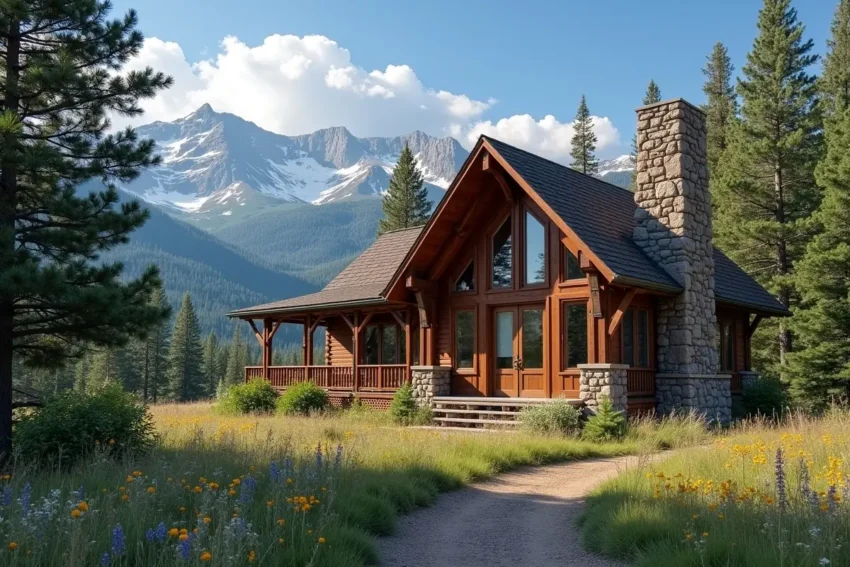
Embarking on the journey to find your ideal mountain home is both exciting and complex. This guide will walk you through essential considerations to ensure your mountain retreat meets your expectations and needs. For personalized assistance, consider consulting the Blue Ridge GA real estate experts Georgia Real Estate Company. With extensive experience in North Georgia, they specialize in helping clients find properties that align with their lifestyle and investment goals.
Their team understands the unique aspects of mountain living, from scenic retreats and lakefront estates to cabins nestled in the woods, and they provide guidance on everything from market trends to negotiation strategies. By leveraging their local expertise and strong network, the Georgia Real Estate Company ensures that each client’s home search is efficient, informed, and tailored to their needs.
Pros and Cons of Mountain Living
Mountain homes offer unparalleled privacy and breathtaking scenic views, creating a serene environment that contrasts sharply with the hustle and bustle of urban life. Residents enjoy easy access to a variety of outdoor activities, including winter skiing, hiking in the warmer months, and fishing in pristine lakes, all of which promote a healthy, active lifestyle immersed in nature’s beauty. This close connection to the outdoors fosters a sense of community among neighbors who share similar interests.
However, potential drawbacks should be considered. Living in a mountain setting can lead to feelings of isolation, particularly for those accustomed to a more urban social environment. Additionally, emergency response times can be slower due to the remote location, which may be a concern for families.
Furthermore, the region’s sometimes extreme weather conditions require residents to be vigilant and prepared, often necessitating extra maintenance on homes and vehicles. Despite these challenges, many find that the peace and tranquility offered by mountain living far outweigh the drawbacks.
Location and Accessibility
Choosing the right location involves more than breathtaking views; it’s about ensuring a comfortable, convenient lifestyle. Consider proximity to essential services such as grocery stores, healthcare facilities, and schools, as these amenities play a crucial role in daily living. Additionally, assess the property’s accessibility year-round, particularly during adverse weather conditions that could limit travel options.
Evaluate road conditions, are they paved, maintained, or seasonal-only? These factors significantly impact daily life and emergency situations, making it essential to prioritize locations that offer reliable access and support. By taking the time to thoroughly analyze these aspects, you can make an informed decision that benefits you in both the short and long term.
Property Features and Construction Standards
When selecting a mountain property, it’s crucial to consider features that ensure comfort and durability. Look for homes with sturdy foundations that extend below the frost line to prevent heaving and cracking. Roofs should have a steep pitch to handle heavy snow loads, and materials like metal can be advantageous for shedding snow.
Insulation is key; aim for high R-values in walls and attics to maintain energy efficiency. Triple-pane windows can also enhance comfort and reduce heating costs. Incorporating natural materials such as wood and stone not only adds aesthetic appeal but also aligns with the mountain environment.
Community Infrastructure
Access to reliable community infrastructure is vital. Ensure the property has a dependable water source, whether it’s a municipal system or a well with adequate flow. Internet connectivity can be spotty in remote areas, so verify the availability of high-speed access, especially if remote work is a consideration. Proximity to medical facilities is another critical factor; a 30-minute drive to the nearest hospital can feel much longer during emergencies or severe weather.
Seasonal Variations and Testing
Mountain environments can change dramatically with the seasons. It’s advisable to visit potential properties at different times of year to understand how factors such as snow accumulation, road accessibility, and local wildlife affect the area. This approach helps assess the property’s suitability for year-round living and identify any seasonal challenges that may arise.
Financial Planning and Investment
Owning a mountain home can be a rewarding investment, but it’s essential to plan financially. Consider the potential for higher resale values due to the desirable location. However, be prepared for additional maintenance costs, especially weather-related wear and tear. Budgeting for these expenses ensures that your mountain home remains a haven rather than a financial burden.
Conclusion
Finding the perfect mountain home requires a comprehensive evaluation of factors such as location, property features, community infrastructure, and financial planning. By thoroughly assessing these elements, you can make an informed decision that aligns with your lifestyle and investment goals, ensuring your mountain retreat is both comfortable and sustainable.